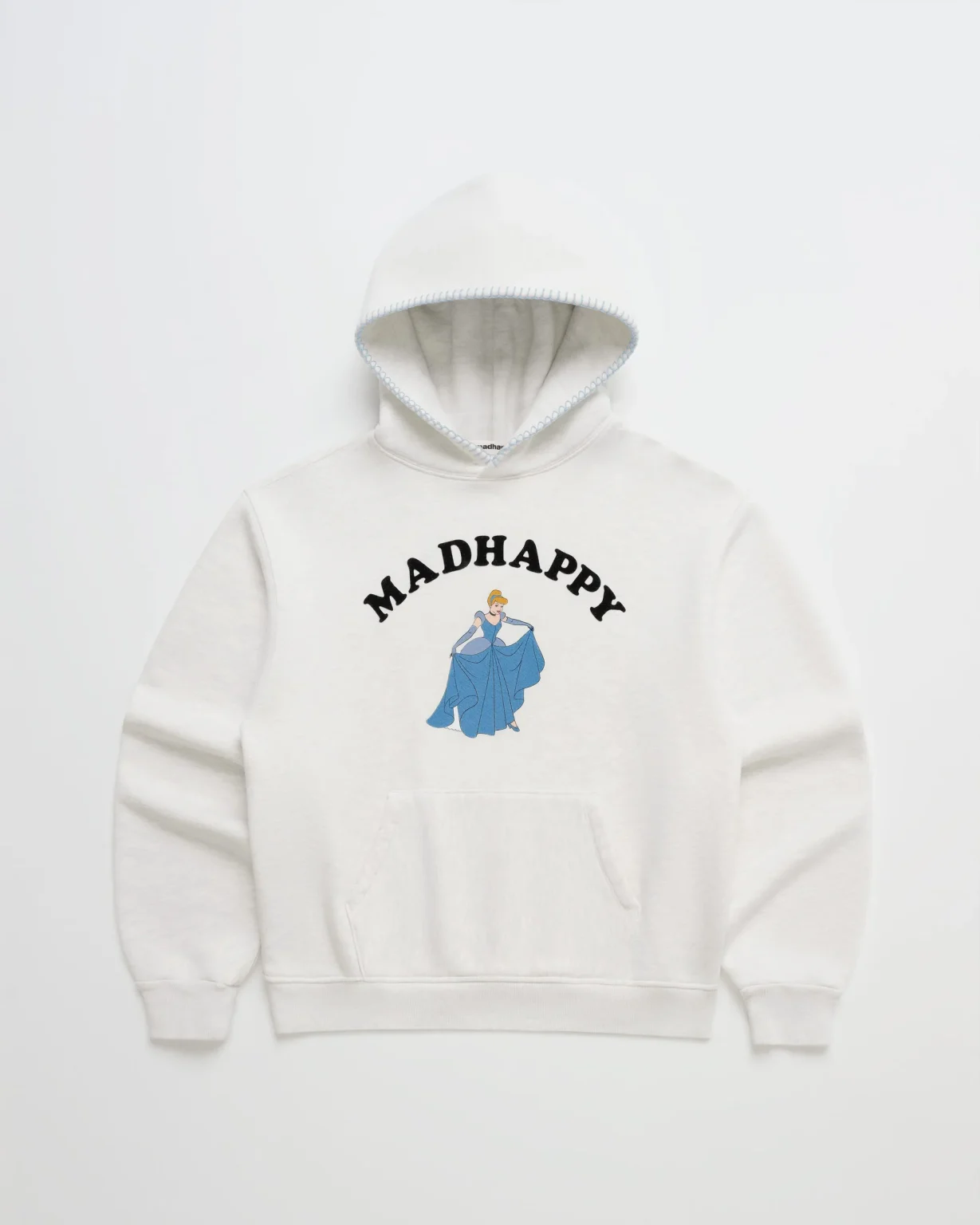
Mad Happy: The Streetwear Brand That Turned Optimism into a Movement
In a fashion world crowded with fast trends and louder logos, Mad Happy stands apart as something deeper than a clothing label. Often searched as “Mad Happy,” the brand has grown into a cultural force that blends streetwear, emotional awareness, and modern optimism. It is not just about hoodies, sweatpants, or graphic tees—it is about conversations, community, and the courage to feel everything fully.
Over the past few years, Mad Happy has evolved from a niche Los Angeles startup into a globally recognized lifestyle brand. What makes it unique is not only its design aesthetic but its bold mission: to make the world a more optimistic place. In an era defined by anxiety, burnout, and digital overload, that mission feels both timely and necessary.
The Meaning Behind the Name
At first glance, the name “Mad Happy” sounds contradictory. How can someone be mad and happy at the same time? That paradox is intentional. The brand embraces the idea that human emotions are layered and complex. You can feel overwhelmed and grateful, frustrated and hopeful, lost and inspired—all at once.
Mad Happy celebrates that emotional duality. Instead of promoting unrealistic positivity, it acknowledges the full spectrum of mental health. The brand encourages people to talk openly about their feelings, normalizing vulnerability in a culture that often hides it behind curated social media feeds.
This emotional honesty has become the foundation of the brand’s identity. Customers do not just buy clothing; they buy into a mindset that says it’s okay to not be okay—and still choose optimism.
From Streetwear Startup to Cultural Symbol
Mad Happy was founded in Los Angeles by a group of young entrepreneurs who saw a gap in the market. Streetwear brands were dominating fashion, but few were addressing mental health or emotional well-being. They decided to merge high-quality essentials with meaningful messaging.
Early pop-up shops helped the brand gain attention. These temporary stores were more than retail spaces; they felt like community hubs. Visitors could shop exclusive collections, connect with others, and even engage in mental health conversations. That immersive experience gave Mad Happy authenticity that traditional marketing could not replicate.
As celebrities and influencers began wearing the brand, its visibility skyrocketed. But unlike many hype-driven labels, Mad Happy maintained its focus on purpose over popularity. Growth never replaced the mission—it amplified it.
Design Philosophy: Minimalism with Meaning
Mad Happy clothing is instantly recognizable. Soft pastel tones, clean typography, relaxed silhouettes, and subtle branding define its aesthetic. The designs often feature uplifting phrases such as “Local Optimist,” which has become one of the brand’s most iconic slogans.
The simplicity is deliberate. Instead of overwhelming graphics, Mad Happy opts for clarity and intention. Each piece feels thoughtful, almost meditative. The muted color palettes—sage green, faded blue, dusty pink—reflect calmness and emotional balance.
High-quality materials are another defining feature. The heavyweight fleece hoodies, structured sweatpants, and durable stitching communicate longevity. In a time when fast fashion dominates, Mad Happy emphasizes craftsmanship and comfort. The clothes are designed to last, both physically and emotionally.
Mental Health at the Core
What truly separates Mad Happiness from other streetwear brands is its commitment to mental health awareness. The company has consistently used its platform to promote open dialogue about emotional well-being.
Through campaigns, partnerships, and community initiatives, the brand encourages people to check in with themselves and others. It has supported mental health organizations and incorporated educational elements into its messaging. By blending fashion with advocacy, Mad Happy proves that clothing can spark meaningful change.
In a society where discussing mental health still carries stigma in many communities, this approach feels revolutionary. The brand does not claim to solve mental health challenges, but it creates space for conversations that matter.
The Power of Community
Mad Happy thrives on community engagement. Pop-up events, collaborative drops, and interactive experiences make customers feel like participants rather than consumers.
These gatherings often include panel discussions, workshops, and wellness-focused activities. Instead of pushing products aggressively, the brand fosters connection. That strategy has built a loyal following that resonates with its optimistic ethos.
Social media also plays a key role. Rather than showcasing only polished images, Mad Happy shares reflective captions and thought-provoking messages. The brand voice feels human, relatable, and grounded.
Collaborations That Expand the Vision
Collaborations have helped Mad Happy reach broader audiences without losing authenticity. Strategic partnerships with other brands and organizations allow it to merge creativity with shared values.
These limited-edition collections often sell out quickly, adding an element of exclusivity. Yet the collaborations are not just about hype—they reflect alignment in culture, wellness, and lifestyle. By choosing partners carefully, Mad Happy strengthens its narrative instead of diluting it.
Why Mad Happy Resonates with Gen Z and Millennials
Younger generations crave authenticity. They are skeptical of corporations that appear performative or disconnected from real issues. Mad Happy appeals to them because it feels genuine.
Gen Z and Millennials openly discuss anxiety, burnout, and emotional growth. They value brands that align with their beliefs. Mad Happy’s optimistic messaging feels empowering rather than superficial.
The relaxed streetwear style also matches modern lifestyle trends. With remote work, casual dressing, and comfort-driven fashion becoming mainstream, Mad Happy’s essentials fit seamlessly into everyday wardrobes.
The Rise of Optimistic Fashion
Fashion has always reflected social mood. During uncertain times, people often gravitate toward comfort and meaning. Mad Happy’s rise coincides with a global shift toward wellness culture and self-awareness.
Consumers no longer want clothing that only looks good—they want clothing that feels good emotionally. Wearing a hoodie that says “Local Optimist” becomes a subtle declaration of mindset. It communicates hope without shouting.
This intersection of fashion and emotional identity positions Mad Happy as more than a trend. It represents a movement toward mindful consumption.
Quality Over Quantity
Unlike fast-fashion brands that release constant new styles, Mad Happy focuses on curated drops. This approach builds anticipation while maintaining exclusivity.
Each collection feels intentional. The brand prioritizes durable fabrics, premium fits, and timeless silhouettes. Customers appreciate investing in pieces that remain relevant beyond one season.
Sustainability also plays a role. While not marketed aggressively as an eco-brand, the emphasis on long-lasting garments naturally reduces waste compared to disposable fashion cycles.
The Future of Mad Happy
Mad Happy’s future looks promising as it continues expanding globally. However, the real challenge lies in preserving authenticity while scaling operations.
If the brand remains grounded in its mission of optimism and mental health advocacy, it can continue influencing culture beyond fashion. The opportunity to create educational programs, digital wellness platforms, or even physical community spaces could redefine how lifestyle brands operate.
Mad Happy has already proven that clothing can start conversations. The next chapter may focus on deepening those conversations and broadening impact.
More Than a Brand
Fear Of God Essentials is not just about hoodies and sweatpants—it is about embracing emotional complexity with courage and optimism. In a world where people often feel pressured to present a perfect image, the brand offers something refreshing: honesty.
By blending streetwear aesthetics with mental health awareness, Mad Happy has carved out a unique space in modern fashion. It reminds us that style can carry meaning, that community can form through shared values, and that optimism is not naive—it is powerful.






Post Comment